The most underestimated step in stainless steel exports is classification. The HS code determines tariffs, anti-dumping duties and licensing requirements, anddeclaring the same shipment as "coil" or "sheet" can change the duty rate by as much as double。
Common Codes (First 6 Digits Harmonized Internationally)
| Product | HS Code | Details |
|---|---|---|
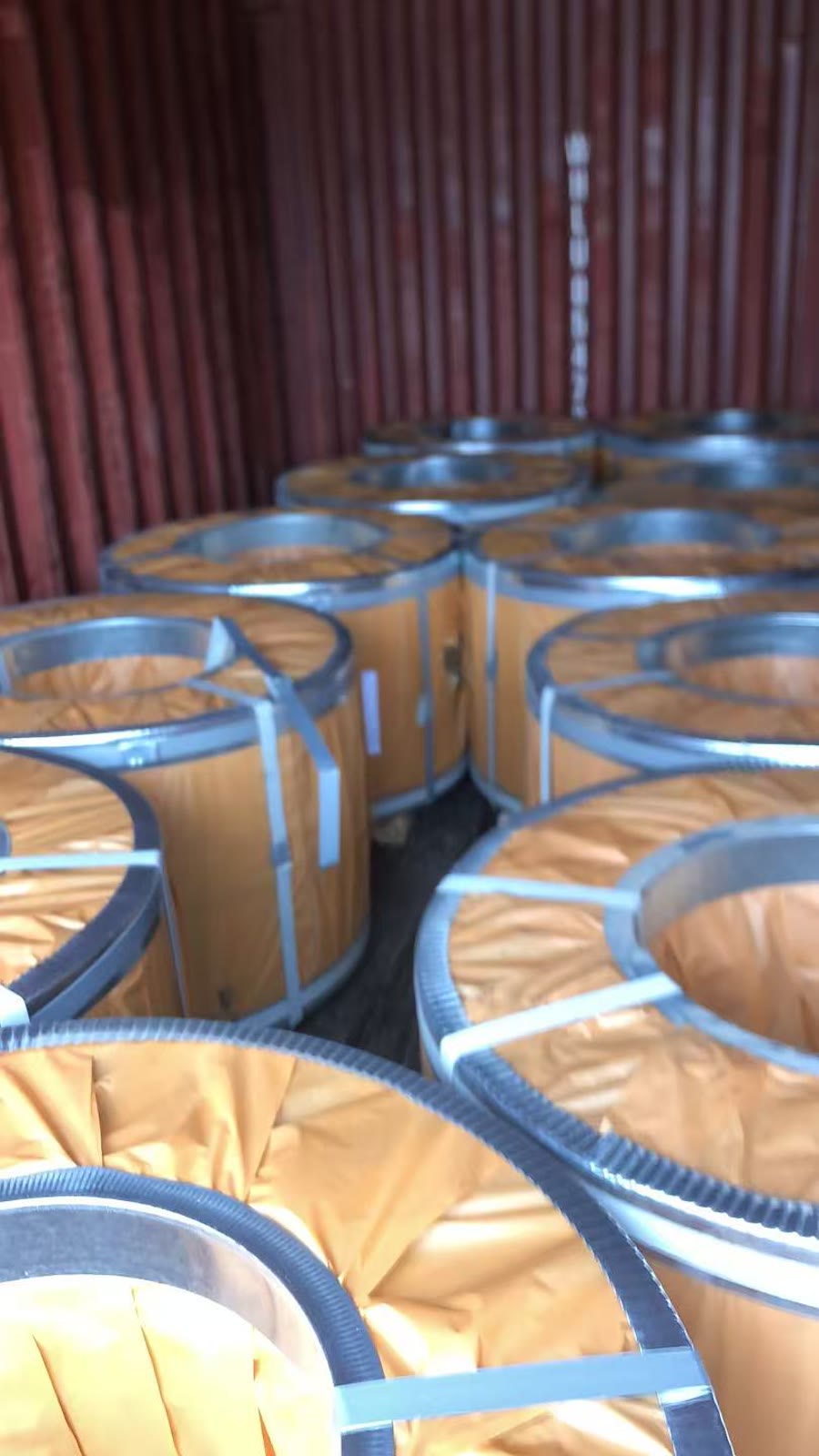
| Stainless Steel Hot-Rolled Coil (Width ≥600 mm) | 7219.1x | Classified by thickness |
| Stainless Steel Cold-Rolled Coil (Width ≥600 mm) | 7219.3x | Classified by thickness |
| Stainless Steel Cold-Rolled Sheet (Non-Coil, Width ≥600 mm) | 7219.3x / 7219.4x | Some tariff schedules classify coil and non-coil separately |
| Stainless Steel Narrow Strip (Width <600 mm) | 7220.xx | Common for slit strip |
| Stainless Steel Round Blank / Special-Shaped Parts | 7326.90 or classified according to the product | Depends on the degree of processing; confirm with your customs broker |
Three Common Pitfalls
- Declaring "Coil" and "Sheet" Together: If sheet is declared as coil after uncoiling, anti-dumping investigations may result in additional duty assessments. Be sure to update declaration elements before and after uncoiling.
- Product Name Mismatch Between Certificate of Origin and Invoice: The product name on the CO must match the commercial invoice and bill of lading, otherwise documents may be returned at the destination port during customs clearance. Form A / Form E have more detailed completion requirements.
- Ignoring Destination Country Anti-Dumping and CBAM: Certain stainless steel products are subject to anti-dumping measures in the EU, and CBAM transitional rules also require declaration of embedded carbon emissions. Confirm the destination country's current measures before shipment.
What We Can Provide: EN 10204 3.1 quality certificates (including heat number and chemical composition) shipped with the goods, commercial invoice and packing list, certificate of origin (CO / Form A / Form E), and a declaration elements table prepared according to destination country requirements. If third-party inspection (SGS / BV / Intertek) is required, it is arranged before shipment.
We recommend stating the destination country and trade terms (FOB / CIF / CFR) at the inquiry stage; we prepare the checklist according to the destination port's standard document requirements, reducing the need for additional documents after arrival at port.